In southern Quebec, the loss of large forest areas and the rejuvenation of the residual forest are leading to a significant change in the quantity and quality of a resource that seems innocuous, but very important for biodiversity: dead wood. In fact, many vertebrates and insects use standing dead wood, called snags, for various reasons at one point or another in their life cycle. Several species of insects are dependent there, and thus have a predominant role in the dynamics of certain species of woodpeckers using dead wood as a feeding substrate. By feeding and excavating cavities for nesting, woodpeckers will promote the dispersal of fungi contributing to the degradation of dead wood, and ultimately create cavities which will be used by a host of other species incapable of excavating their own shelters for nesting or resting.
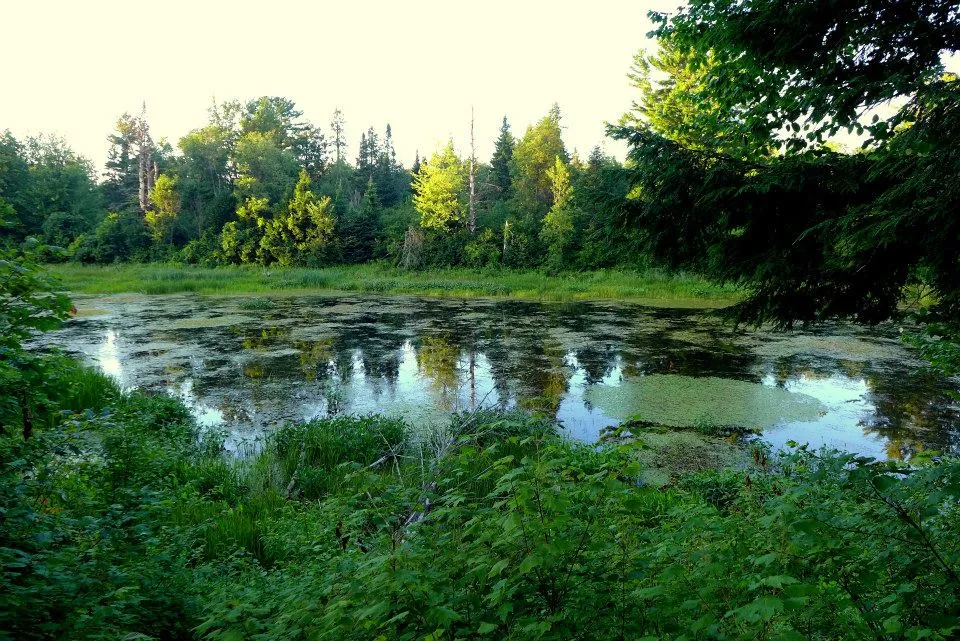
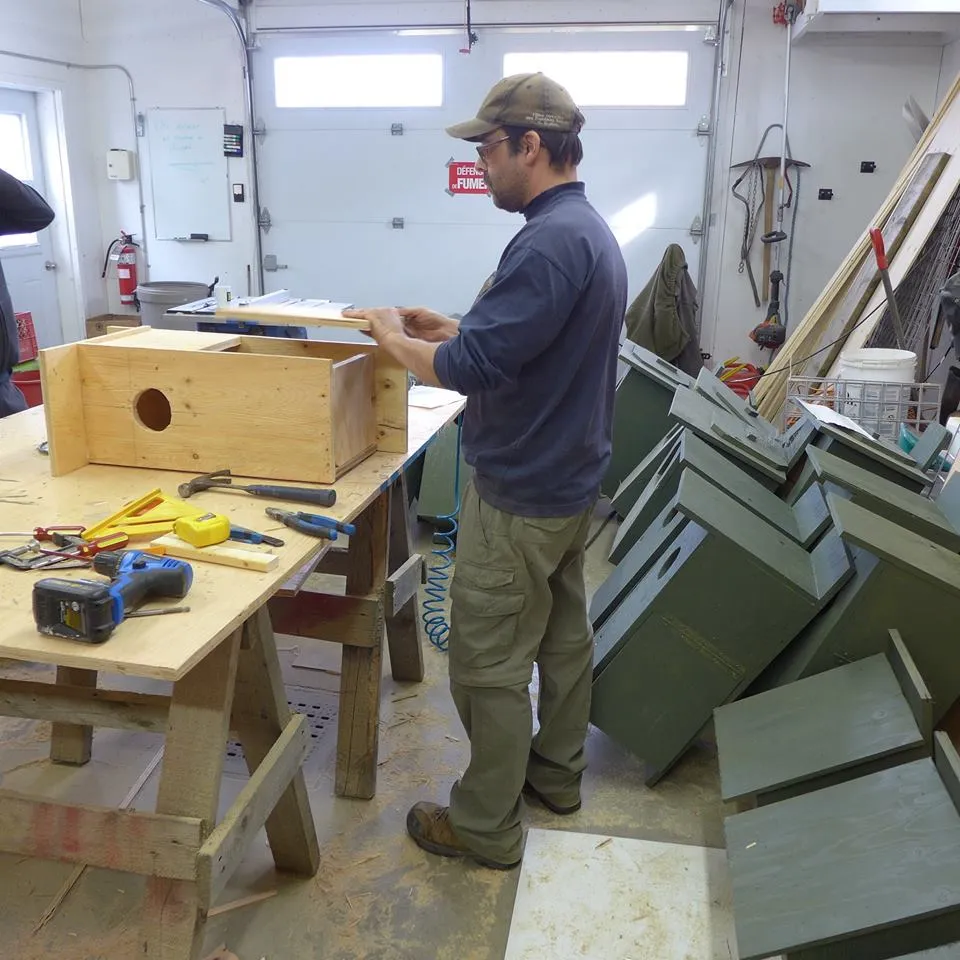
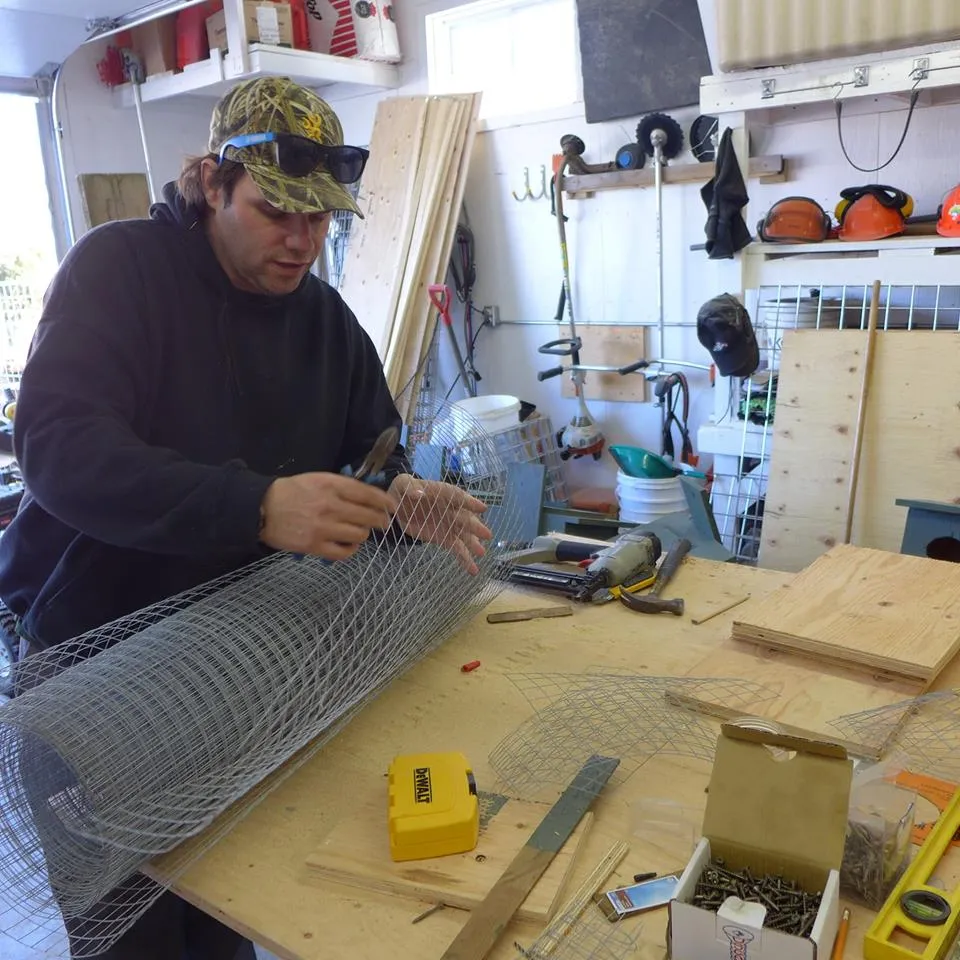
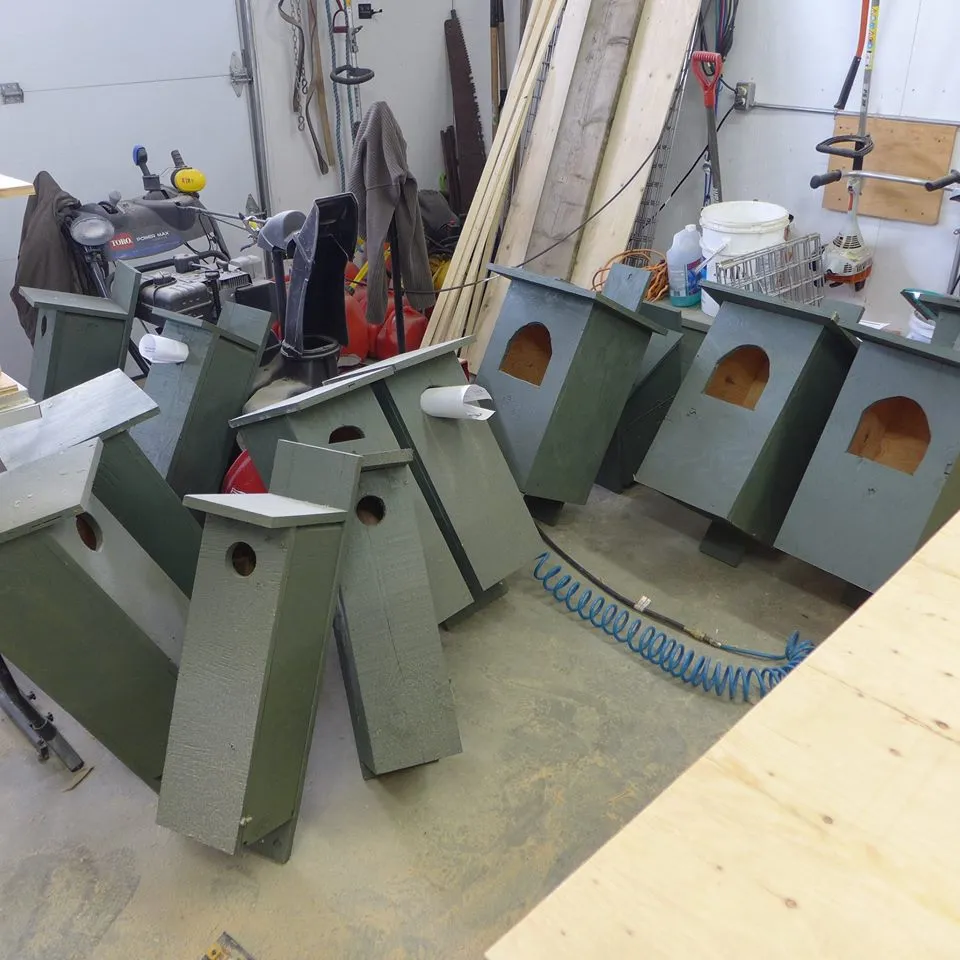
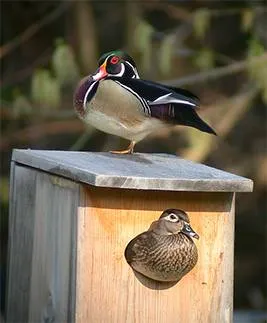
To the extent that it is difficult to leave dead wood in place, or in areas where forest disturbances are omnipresent, it is still possible to provide temporary nesting habitat for certain target species. This is why the Environment and Land Office got its hands dirty during the winter of 2017 to build 35 nest boxes of 6 different sizes which will be distributed according to very specific habitats in the Odanak territory. This device could benefit more than 20 species of birds as well as many mammals! To this end, a small network of arboreal duck nest boxes installed along marshes 1 and 2 of the commune a few years ago made it possible to count several uses of wood ducks, screech owls and lesser flying squirrels. This observation suggests that there could be a lack of habitat (dead wood) across the territory and that these animals are turning to an artificial habitat in order to nest or shelter.
It will easily be possible to visit the nest boxes every spring to detect signs of use!
We therefore encourage you, as long as no danger is present, not to cut down dead trees that you find in the forest or even on your land.