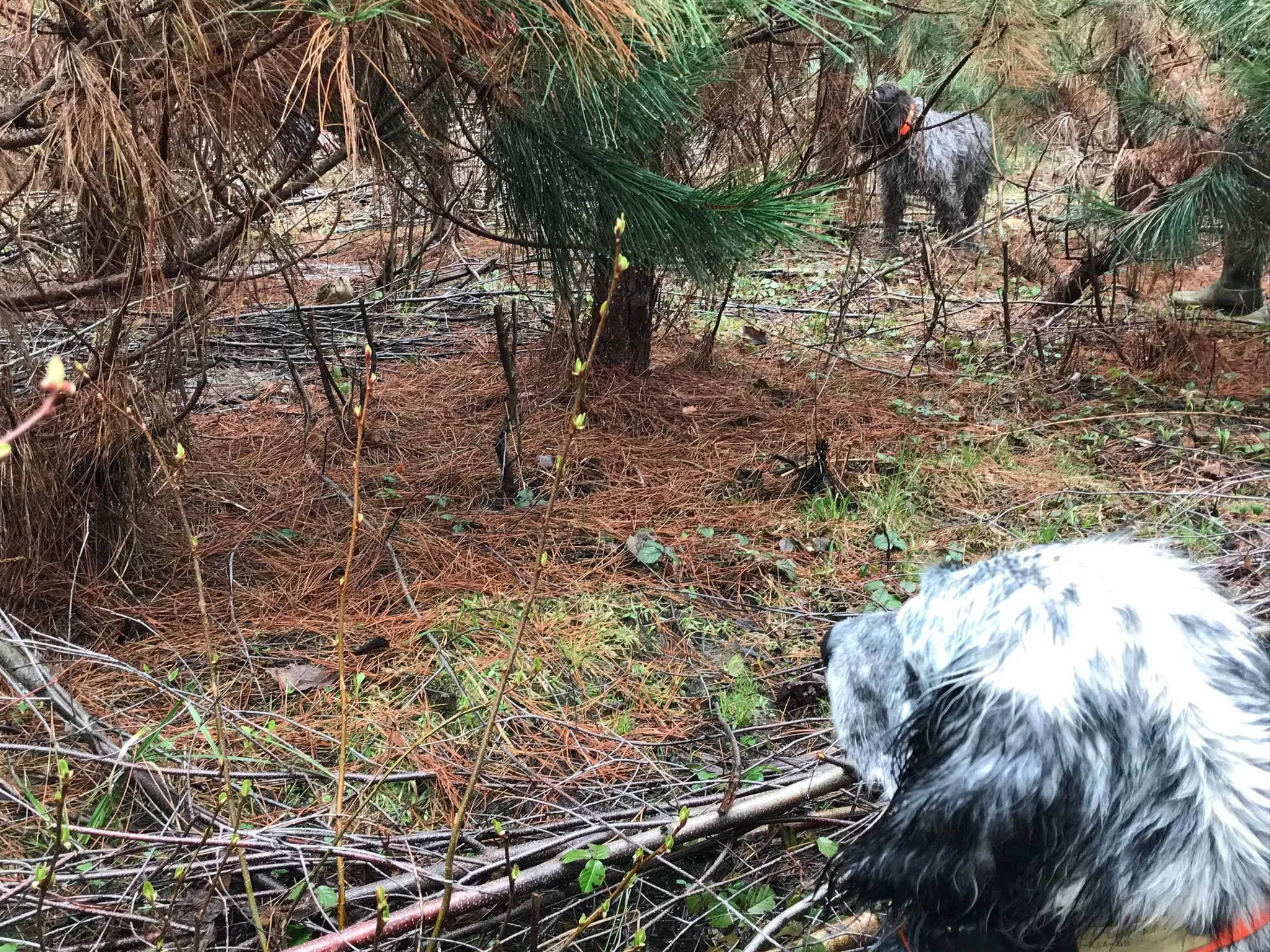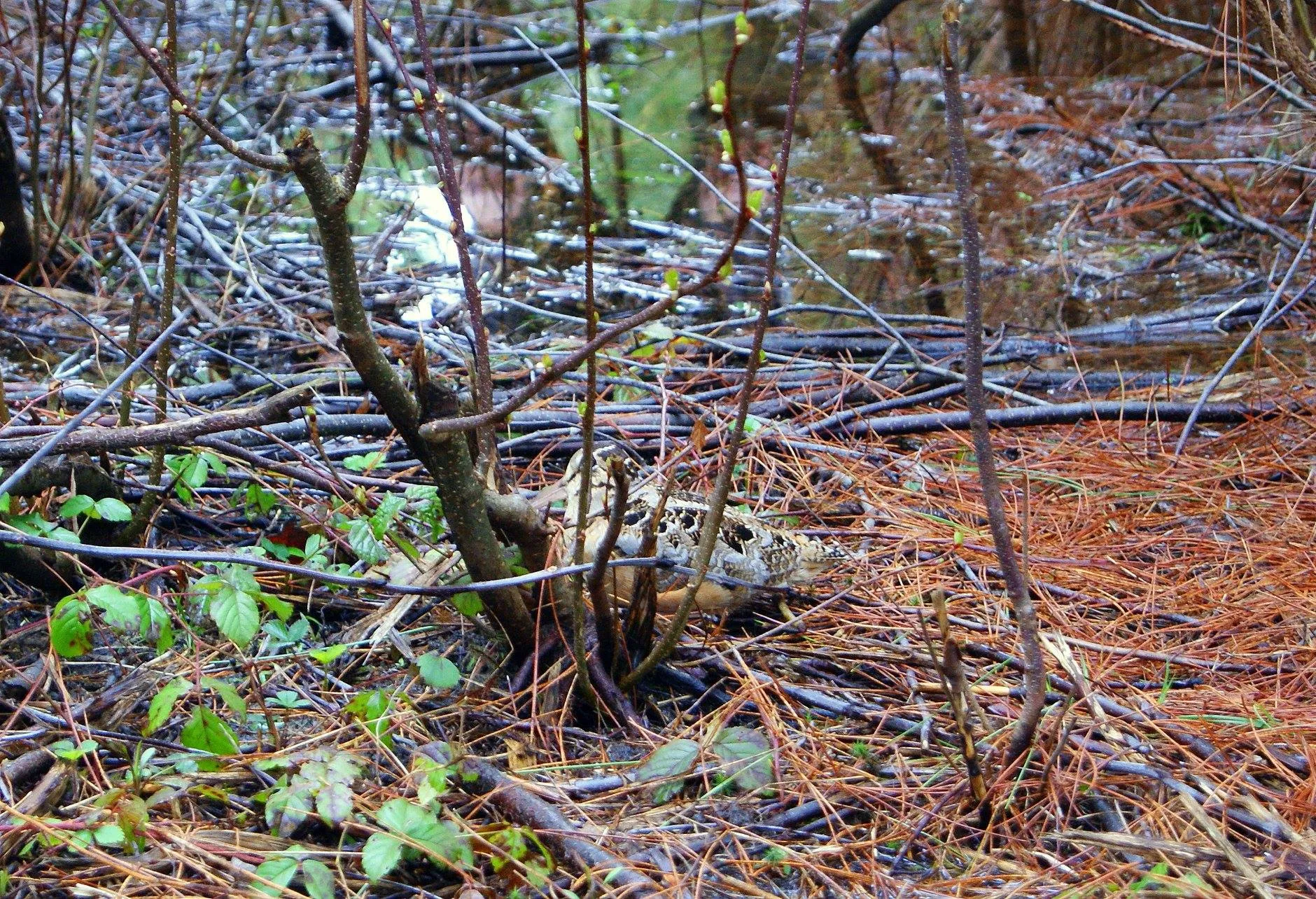
The Environment and Land Office team was fortunate to receive a visit from the Club des Bécassiers du Québec to teach us the art of woodcock inventory using a pointing dog. Using the dog’s sense of smell, excellent training and a specific bird-seeking lineage, it is possible to detect the presence of woodcock (and even nests) in suitable habitats.
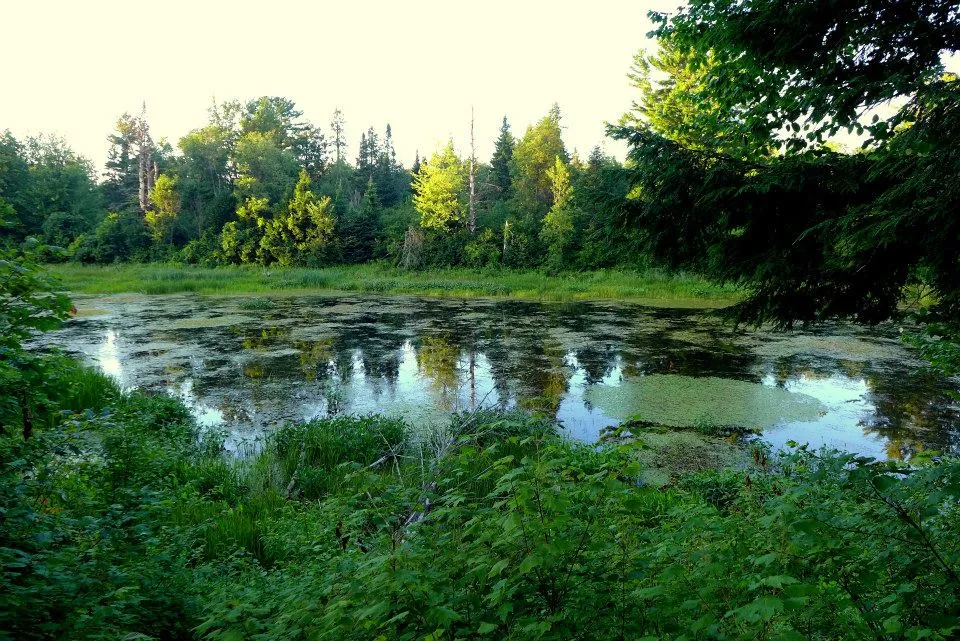
The people at the club helped us target Odanak forest habitats that could lend themselves to developments aimed at improving the quality of this bird’s habitat.
By managing to increase the quality of habitat for the woodcock, we are also improving the habitat parameters for many other species. For example, a very young, dense deciduous forest can serve as nesting habitat for woodcock, but also provide optimal habitat for raising broods of ruffed grouse.
Such development work will eventually delight small game hunters and many amateur ornithologists!